
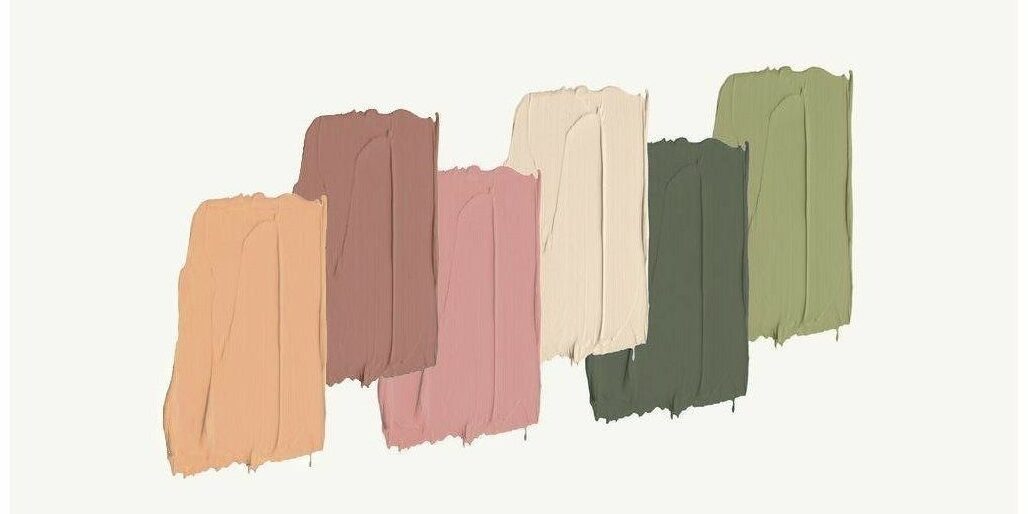
With so many beautiful colors available, it can be tempting to use a large number of paints in a single artwork. But sometimes, using fewer colors can actually make a painting stronger.
A limited color palette means creating an artwork with only a small selection of colors. Artists may choose three or four main colors and create additional shades by mixing them together.
One of the biggest advantages of working with a limited palette is harmony. Because the same colors appear throughout the painting, different areas of the artwork naturally feel connected.
It can also help artists understand color mixing more deeply. Instead of reaching for a new tube of paint every time a different shade is needed, the artist learns how to create variations from the colors already on the palette.
For beginners, a simple palette could include:
– One warm color
– One cool color
– One neutral or earth tone
– White
You can also experiment with monochromatic painting by choosing one main color and creating different values using lighter and darker variations.
Working with fewer colors may initially feel restrictive, but limitations often encourage creativity. They allow artists to focus more on value, composition, contrast, and the relationship between colors.
Next time you begin a painting, try putting a few colors aside and see how much you can create with less.
How to Choose the Right Color Palette for Your Artwork?
Color is one of the most powerful tools an artist can use. Before viewers understand the subject of an artwork, they often respond to its colors.
A limited palette is often a good place to start. Instead of using every color available, choose three to five main colors that support the mood you want to create.
Warm colors such as red, orange, and yellow can create energy, warmth, and intensity, while cooler colors such as blue, green, and violet often create a calmer or more reflective atmosphere.
Contrast is equally important. Combining light and dark, warm and cool, or bright and muted colors can give your composition more depth and visual interest.
Most importantly, allow yourself to experiment. Sometimes the most interesting palettes are discovered by accident
Phoenix Art Group